智能摘要 DeepSeek
站酷设计精选展示了情绪MV《鼻塞》的6张AI作品,来自创作者“不是猫Notcat”,属于AI创作类别,已获969次浏览和103次推荐。


AI创作 / AI作品 · 浏览 969,推荐 103,评论 0



AI创作 / AI作品 · 浏览 969,推荐 103,评论 0


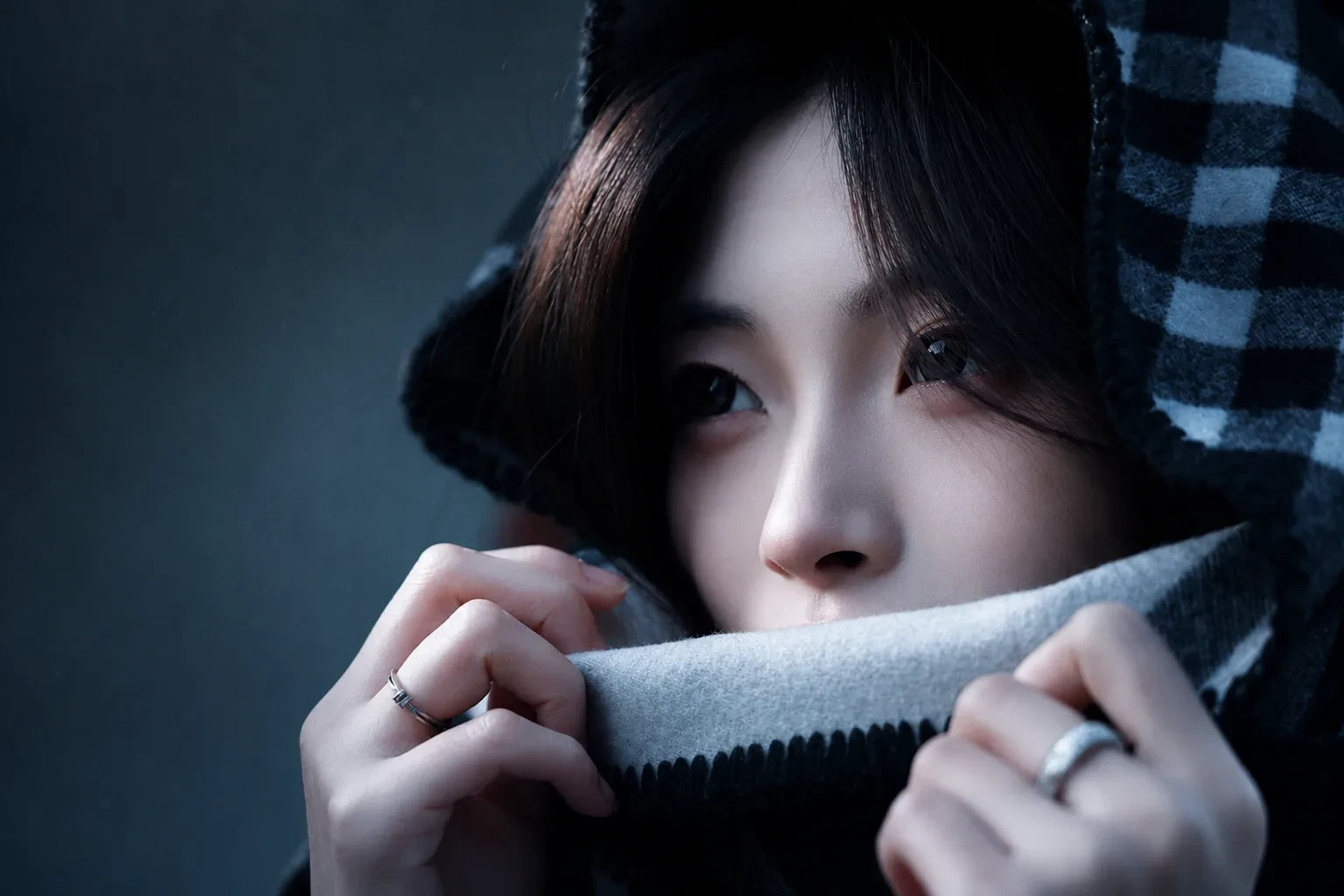



后来再看,第一眼和第二眼的感受不太一样。先是观看顺序,随后才注意到效果没有一下做满,情绪反而留得更久,层次是在后面出来的。 停下来看的时候才会明显。
One thing I almost missed: there is a quiet confidence in the way the eye does not land in the same place twice. Nothing feels pushed too hard. It changed my first read.
My first read changed a little: for me, the strongest choice is that the image never rushes to explain itself. It gives the image a little more space. The detail stays with me.
最安静的区域反而把整体串了起来。我会好奇另一个版本如果让画面更快给出答案,情绪会不会变得更紧。 它让画面多了一点不确定感。
@黎远川: 我会从另一个方向看:这个提醒挺有用。顺着观看顺序看下去,最安静的区域反而把整体串了起来会变得更明显。 这点我之前确实漏掉了。
说实话,观看顺序这块挺耐看。尤其视线不是直奔中心,而是会稍微绕一下,没有把效果一下做满。 如果放大看,变化应该更清楚。
@宋知微: 这里我有点不同感受:对,尤其是最安静的区域反而把整体串了起来。我第一遍没注意,回去看才发现它和观看顺序是连着的。 这两个角度其实可以同时成立。
后来再看,短一点反而好说:视线不是直奔中心,而是会稍微绕一下。这部分不用再加重了。 也可能是我更偏爱这种节奏。
@谢予舟: 沿着前面的观察,上面说得有道理,不过减少边缘信息之后未必更好;现在视线不是直奔中心,而是会稍微绕一下留下的余地刚好。 这两个角度其实可以同时成立。 另外,最安静的区域反而把整体串了起来也在影响前面的判断。
嗯,效果没有一下做满,情绪反而留得更久。就是这种不太显眼的变化,让画面没那么一眼看完。 也可能是我更偏爱这种节奏。 第一遍容易略过,停下来以后才会更清楚。 另外,最安静的区域反而把整体串了起来也在影响前面的判断。
Honestly, the longer I looked, the more I noticed that the quieter area ends up holding the composition together. It is subtle, but not accidental. It changed my first read.